Great truths are simple! Making memes with AI isn't that complicated!
M
momo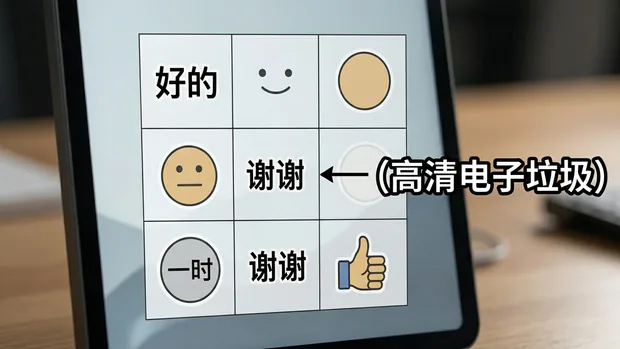
Keep It Simple! Making Memes with AI Isn’t That Complicated!
A friend sent me a Stable Diffusion screenshot asking how to tweak weight parameters so he could crank out funny memes for WeChat groups. He casually mentioned he’d just shelled out 1999 RMB for an “AI Gold Rush Bootcamp.”
Watching him dive headfirst into the computer science weeds, I swallowed the words on the tip of my tongue: dude, you haven’t even found the entrance yet, and you’re already fixated on how to tighten a screw.
The truth is, the vast majority of “AI gurus” who want to drain your wallet are masters at repackaging basic grunt work as some kind of arcane tech sorcery reserved for the elite. (After all, how could they justify a four-figure tuition fee without piling on buzzwords and industry jargon?)
Stop letting those overly complicated tutorials stress you out. Making memes doesn’t require fiddling with weight parameters.
- Open Gemini
That’s right, it’s that simple. Don’t go searching for some janky proxy sites. Use the original, native version.
- Strip the AI of Its Creative Freedom
Throw in your reference image and hit it with a direct command: “Make a set of 12 memes based on this picture. First, give me a plan for each meme, presented in a table.”
Pay attention to the key point here. Many people fail to get results from AI because they’re making wishes, hoping the AI is a mind reader with a built-in sense of humor. The essence of this step is forcing the AI into concrete, logical segmentation. Demanding a “table” pushes the rambling intern to hand in a structured outline. (It’s like signing a contract with a contractor—you have to make him list every building material down to the last brick.)
- Claim Your Assembly-Line Product
Pick the plan that vibes with you and deliver your final ultimatum: “Directly generate a full sticker set based on the plan above, with compact layout so it’s easy for me to crop later.”
This is the final deliverable. Dead simple, right to the point. Once it’s generated, you even save the time you’d spend on layout and typesetting. (Sure, if you’re willing to shell out for the Pro version, the output quality and consistency will be better, but that’s just icing on the cake, not a make-or-break deal.)
At this point, some contrarian will inevitably jump out and say, “That’s it? That’s so basic. This ‘AI solves everything’ narrative is a scam. The generated images have no soul!” Or someone else will veer into the opposite extreme: “This is godlike! I can instantly build a content matrix and reach the pinnacle of life!”
Both extremes are pure armchair fantasies from people with zero practical, on-the-ground experience.
You don’t need to create; you just need to choose. The greatest value here is lowering the trial-and-error cost to near zero, letting you bump against the probabilities of what the market actually likes.
Go ahead and run with this crude but effective framework. Get a feel for the efficiency of the assembly line.
But before you dive in, you’d better get one thing straight.
Gemini can nail the table layout for you. It can even stitch together a tidy nine-grid ready for cropping. But it will never, ever solve the most critical boundary condition for you:
If your sense of internet culture is as dry as a block of wood, then even the most cutting-edge mass-produced AI output will just be a pile of high-definition digital trash.